Design the view before choosing the camera
For ai video surveillance, object classification often calls for filter people and vehicles. Each job needs different scene width, pixel density, angle and light. Resolution on the box tells only part of…
Kota · Surveillance and Security
In Kota, we plan ai video surveillance backwards from the handover test rather than forwards from a device list. The Aerodrome Circle team asks how a user will prove Object detection works, what manual action remains available when Intrusion logic is unavailable, and which records are needed to maintain Vehicle detection. Those checks define the survey and commissioning evidence. SmartR Home - Aerodrome Circle still confirms the exact project address before scheduling; the office location tells us nothing about conditions elsewhere in Kota.
The short answer
AI video surveillance applies models and rules to video so operators can search or respond to selected events. It can classify objects, watch zones and flag line crossings. It cannot guarantee intent or guilt. Accuracy changes with the scene, and consequential alerts need human verification.
For the full technical explanation, use our AI Video Surveillance planning guide.
What the design has to settle
For ai video surveillance, object classification often calls for filter people and vehicles. Each job needs different scene width, pixel density, angle and light. Resolution on the box tells only part of…
For ai video surveillance, loitering or dwell often calls for prompt review of prolonged presence. We calculate it with headroom, then test playback and export. The written decision is threshold and legitimate…
For ai video surveillance, object classification often calls for filter people and vehicles. They also miss events and create nuisance alerts when the scene, light or threshold changes. Maintenance revisits model and…
Commissioning uses representative clips across light, weather and busy periods. We record nuisance alerts, missed events and operator response. Confidence thresholds and zones are adjusted against that set instead of tuned until…
Need more depth? The complete AI Video Surveillance guide covers the wider technical context.
Technical relationships
These service-specific diagrams come from the canonical technical record; they do not depict a completed local project.


Decision aid
| Option or situation | Good fit | Question to settle |
|---|---|---|
| Object classification | Filter people and vehicles | Model and scene bias |
| Line crossing | Watch a defined boundary | Camera shake and path geometry |
| Loitering or dwell | Prompt review of prolonged presence | Threshold and legitimate activity |
| Face matching | Restricted identity workflow | Consent, false matches and legal basis |
Local planning
Branch facts are verified. Community observations, when present, are anecdotal and address-specific; they are not presented as citywide facts.
Evidence scope: The account is not independently verified, the camera layout and image quality are unknown, and one successful case does not establish police response or CCTV effectiveness generally.
What this service can and cannot address: SmartR Spaces can design identifiable views, time synchronization, retention, export procedures and human-reviewed vehicle search. It cannot prevent theft, guarantee identification, determine guilt or promise a police outcome.
Local planning questions
Test the promised user outcome for Object detection, the defined fallback for Intrusion logic and the operator procedure for Vehicle detection. Results should be recorded against the approved scope, not accepted from a product demonstration.
Share the exact address, expected user actions, existing equipment, known faults and any manuals or drawings. SmartR Home - Aerodrome Circle uses that information to decide what must be inspected.
The design should state the safe or manual fallback, the visible fault indication and the support owner for each critical function. A fallback is verified during commissioning only when it is part of the written scope.
Keep separate results for Object detection, Facial recognition, Zones, Intrusion logic, Alerts, Person detection. For each one, record the user action, expected response, measured or observed result, fallback check, outstanding defect and person who witnessed acceptance.
Installation context
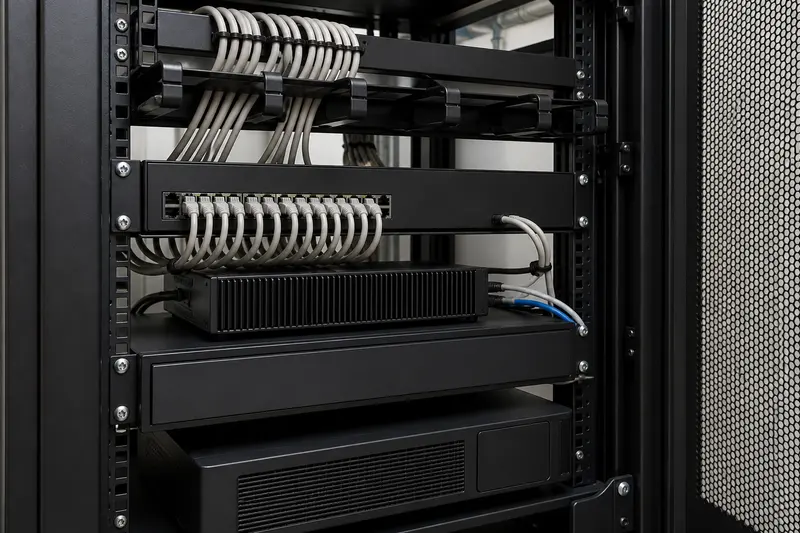
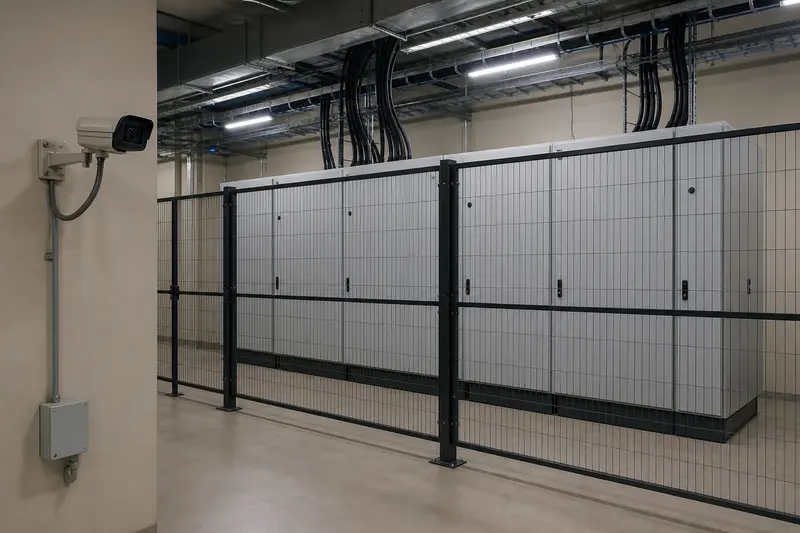
Representative photography supports planning; it is not presented as a completed SmartR Spaces project in Kota.
Verified branch
Confirm availability before visiting.
Continue planning