What is measured before the motor is chosen?
Record opening width, drop, stack space, fabric and lining weight, track bends, mounting surface and access side. For roller shades, tube size and pocket clearance also shape the motor choice.
Kota · Automation
In Kota, we plan shading automation backwards from the handover test rather than forwards from a device list. The Aerodrome Circle team asks how a user will prove Roller shades works, what manual action remains available when Control methods is unavailable, and which records are needed to maintain Motorised blinds. Those checks define the survey and commissioning evidence. SmartR Home - Aerodrome Circle still confirms the exact project address before scheduling; the office location tells us nothing about conditions elsewhere in Kota.
The short answer
A motorised curtain or blind needs a motor matched to the mechanism, load and travel, plus power and a control interface. The controller can schedule or group movement, but it cannot correct a bent track, poor bracket spacing or an inaccessible motor.
For the full technical explanation, use our Shading Automation planning guide.
What the design has to settle
Record opening width, drop, stack space, fabric and lining weight, track bends, mounting surface and access side. For roller shades, tube size and pocket clearance also shape the motor choice.
Open and close limits prevent overrun. Group commands are staggered where the electrical or control design calls for it, and each shade is tested for obstruction, alignment and repeatability.
Curtain motors pull carriers along a track; tubular motors rotate a roller; blind drives may lift, tilt or do both. These are different loads and need different mechanical details.
A controller can use time, façade orientation, light data or an approved weather input. Occupant override and safe wind behaviour still need project rules, especially for exterior products.
Need more depth? The complete Shading Automation guide covers the wider technical context.
Technical relationships
These service-specific diagrams come from the canonical technical record; they do not depict a completed local project.


Decision aid
| Mechanism | Critical measurement | Service question |
|---|---|---|
| Curtain track | Fabric mass, width and bends | Can the motor and carriers be reached? |
| Roller shade | Tube, drop and fabric | Is the pocket removable? |
| Exterior blind | Wind exposure and safe state | Which weather interface is approved? |
Local planning
Branch facts are verified. Community observations, when present, are anecdotal and address-specific; they are not presented as citywide facts.
Evidence scope: The two reports conflict, so no frequency claim should be made without utility data and a site-level history.
What this service can and cannot address: SmartR Spaces can define backup runtime, safe restart behaviour and critical-device UPS scope. It cannot correct the utility network.
Local planning questions
Test the promised user outcome for Roller shades, the defined fallback for Control methods and the operator procedure for Motorised blinds. Results should be recorded against the approved scope, not accepted from a product demonstration.
Share the exact address, expected user actions, existing equipment, known faults and any manuals or drawings. SmartR Home - Aerodrome Circle uses that information to decide what must be inspected.
The design should state the safe or manual fallback, the visible fault indication and the support owner for each critical function. A fallback is verified during commissioning only when it is part of the written scope.
Keep separate results for Roller shades, Automated drapes, Motor selection, Control methods, Motorised curtains, Motorised blinds. For each one, record the user action, expected response, measured or observed result, fallback check, outstanding defect and person who witnessed acceptance.
Installation context
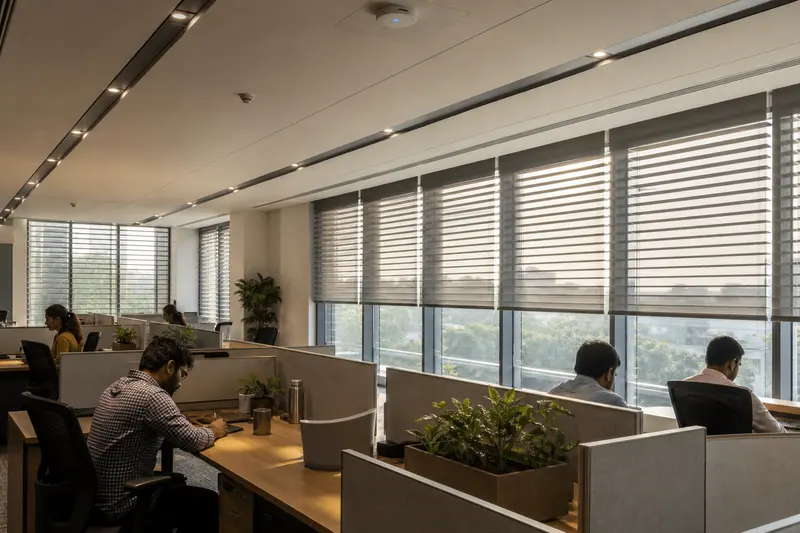
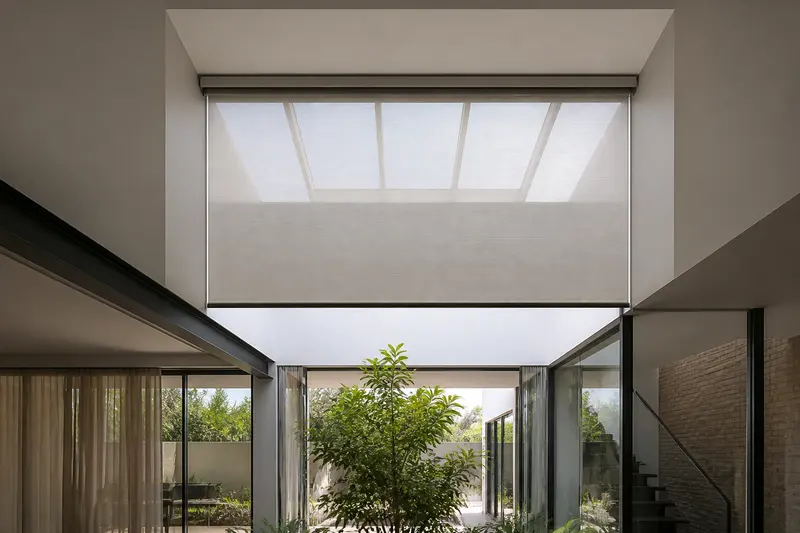
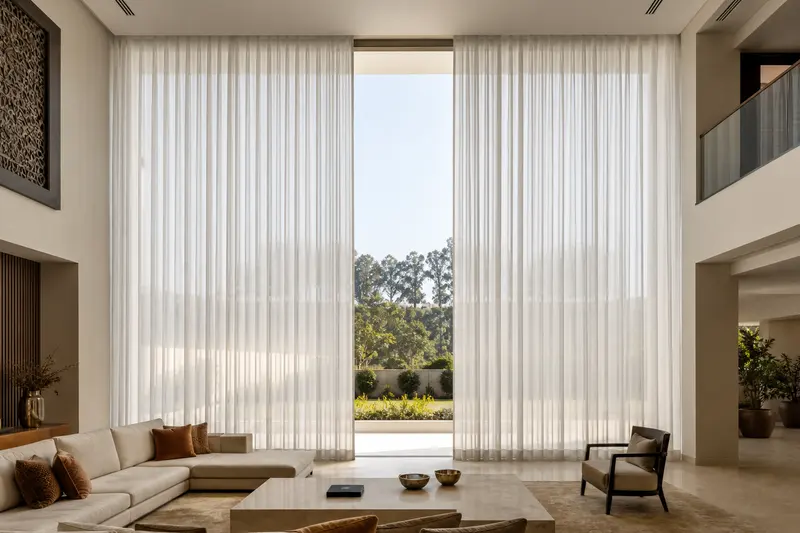
Representative photography supports planning; it is not presented as a completed SmartR Spaces project in Kota.
Verified branch
Confirm availability before visiting.
Continue planning